
Exhaust Leaks: The Signs, the MOT Rules and the Carbon Monoxide Risk
A noisy exhaust is an MOT problem. Fumes in the cabin are a safety problem
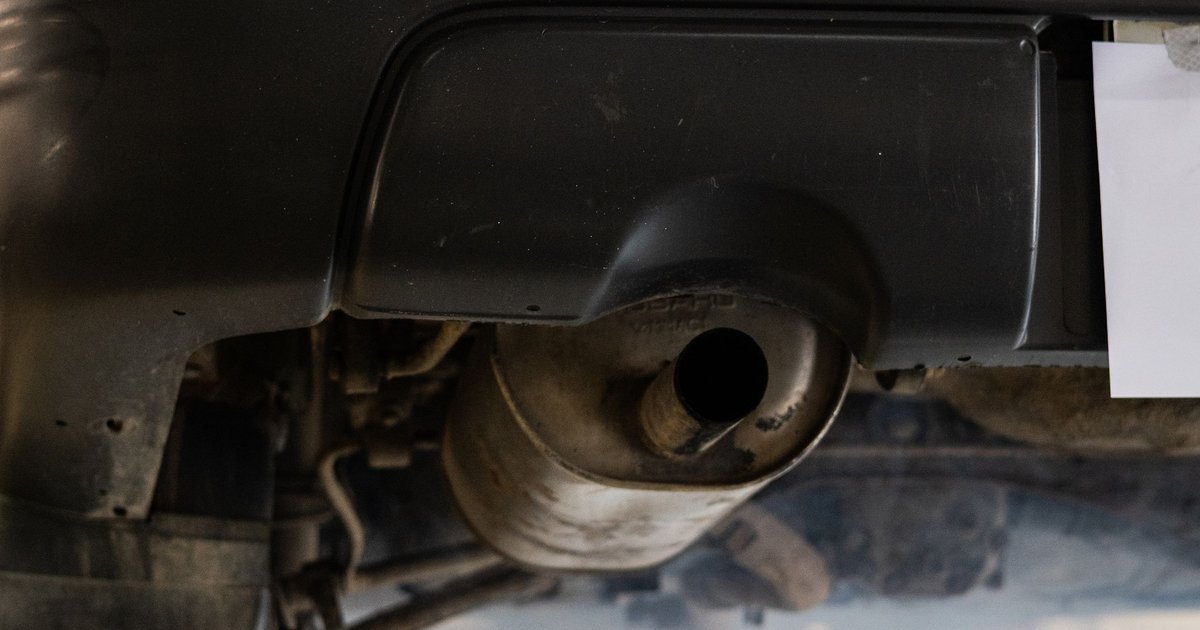
Most exhaust problems announce themselves with noise: a deeper note, a roar when you accelerate, or a rattle from underneath. That is annoying, and it will fail the MOT, but it is not usually dangerous.
The exception is a leak in the wrong place. The gas your exhaust carries away contains carbon monoxide, and if it gets into the cabin you will not see or smell it. This post covers the signs of an exhaust leak, how to tell a noisy one from a dangerous one, and what the MOT checks.
Why carbon monoxide matters
Carbon monoxide (CO) is produced whenever fuel burns. It has no colour, no smell and no taste. When you breathe it in, it stops your blood carrying oxygen properly. Early symptoms are easy to put down to something else:
- a headache that comes on during a drive;
- feeling dizzy, sick or unusually tired;
- feeling short of breath or confused;
- symptoms that ease once you are out of the car.
Modern catalytic converters remove most of the CO from a healthy engine’s exhaust, but not all of it, and a leak before the catalytic converter releases gas that has not been cleaned at all. That is why a leak near the front of the car matters more than a hole in the back box.
If you smell exhaust fumes inside the car, or anyone feels unwell on a drive: open the windows, stop as soon as it is safe, get out, and do not use the car until it has been checked. What you can smell is the other gases in the exhaust, but if they are getting in, the carbon monoxide is too.
The signs of an exhaust leak
A louder engine, or a roar when you accelerate
The most common sign. A hole or a split joint lets gas escape before it reaches the silencers. A deep roar from the back is usually the back box; a harsher noise from under your feet points further forward.
Ticking or puffing from the engine bay when it is cold
Classic for a blowing exhaust manifold gasket or a cracked manifold. The noise often fades as the metal warms up and expands, which is why it is so easy to ignore. It is also right next to the engine, where the gas is at its hottest and least clean.
A smell of fumes in the car
Especially with the windows closed, with the heater on, or when you are stopped in traffic. The leak may be under the cabin, or gas may be getting in through a perished boot seal or a rusted hole in the bodywork near the tailpipe.
Sooty marks around a joint
Black streaks around a flange, clamp or section of pipe are a giveaway that gas has been escaping there.
Worse fuel economy or an engine warning light
The oxygen sensors in the exhaust tell the engine how it is running. A leak upstream of a sensor lets in outside air and confuses the reading, which can bring on the engine light and make the car run less efficiently.
Rattles and a low-hanging exhaust
Not a leak in itself, but a broken bracket or hanger puts strain on the joints, and that is often where the leak starts.
Why exhausts leak in winter
Burning fuel produces water. On a short journey the exhaust never gets hot enough to drive that water out as steam, so it condenses inside the system, mostly in the back box, and slowly rusts it from the inside. Add salt from gritted roads on the outside, and a car that mostly does short local runs around Letchworth can rust through its exhaust much faster than one that does regular motorway miles.
What the MOT checks
The exhaust is checked as part of the MOT, and the main failure points are:
- a major leak, or any part of the system insecure (major, fail);
- exhaust gas entering the cabin (major, fail), or doing so badly enough to endanger the people inside (dangerous, fail);
- part of the silencer likely to fall off (dangerous, fail);
- noise clearly above what that car should make (major, fail);
- a missing or obviously defective catalytic converter or diesel particulate filter (major, fail).
The emissions test is affected too. A leak ahead of the tester’s probe dilutes the gas being measured, which can upset the reading.
What a repair usually involves
Most exhausts are built in sections: a front pipe, a catalytic converter, a centre section and a back box, joined by flanges or clamps. When one part fails, we normally replace that part, not the whole system. Manifold gaskets can be replaced on their own, though on some engines the studs that hold the manifold have rusted and need extra work.
Small holes can sometimes be welded, but on a pipe that has rusted through from the inside, the metal around the hole is usually thin too. A replacement section is the repair that lasts.
Do you need a carbon monoxide detector in the car?
Small portable CO alarms are cheap and some drivers keep one in the car, particularly in older vehicles or vans. It is not a substitute for fixing a leak, but it is a sensible extra if you have any doubts.
Frequently asked questions
Is it safe to drive with a blowing exhaust?
A small hole in the back box is mainly a noise and MOT issue. A leak at the front of the car or under the cabin can let carbon monoxide in, so get it checked promptly, and stop using the car if you can smell fumes inside.
Can an exhaust leak cause a headache?
Yes. A headache, dizziness or drowsiness during a drive can be an early sign of carbon monoxide getting into the cabin. Get some fresh air and have the car checked.
Why does my exhaust drip water?
On a cold start that is completely normal: water is a by-product of burning fuel. It only becomes a problem when the system is never hot enough to dry out.
Will a blowing exhaust fail the MOT?
A major leak will, and so will an insecure system, excessive noise or fumes getting into the car.
Exhaust checks in Letchworth
If your car has got louder, rattles underneath or smells of fumes, book an exhaust check. We will put it on the ramp, look at the whole system from the manifold back, and tell you exactly what needs doing.
Dom’s Garage Services, 11 Protea Way, Letchworth Garden City, SG6 1JT. Book online or call the workshop on 01462 671753.